
Name-Based Case Searches
Start at Kansas Case Search, accept the terms, and choose District. From there, select Party Name. Type the search term, and pick Mitchell County as the filter. That county choice cuts down statewide namesakes. A date of birth helps only where the field is authorized. The human-check step must pass before any Mitchell County docket results load.
- Choose District rather than Appellate.
- Select Party Name and enter the name.
- Set County to Mitchell.
- Open additional filters only when they improve the match.
- Complete human verification and review case type, status, and file date.
| Field | Use | Required |
|---|---|---|
| Court | District or Appellate | Yes |
| Search Type | Party, business, case, or citation | Yes |
| Search Term | The chosen identifier | Yes |
| County | Mitchell County filter | No |
| Case Type | Criminal, civil, family, probate or mental health | No |
| File dates | Narrow when the case began | No |
Mitchell County Portal Choices
The portal's search modes cover Case Number, Party Name, Business Name, Party As Business Name, and Citation Number. Use each option for its purpose. A company belongs in the business field, not a personal-name field. File-date filters track when a case was filed. They do not track when a hearing is set. There is no public export of the full Mitchell County court docket. The 2025 Smart Search guide explains advanced options such as judicial officer and attorney searches. Its registration steps describe a different version than the current guest interface. So trust the fields the live portal actually presents.
Case Number Searches
A known number is the cleanest Mitchell County lookup. Choose Case Number, type the number exactly as printed on the notice, select Mitchell County, and compare the case type and file date that come back. Kansas examples include formats such as 2019CV25 and RL2019CV25. Formats vary by filing era, so never invent punctuation. If nothing comes back, retype the exact printed form and confirm the case is district rather than municipal. Then call the clerk. An older file may show public case information while its converted documents open only at the courthouse kiosk.
Mitchell County Search Boundaries
Incorporated cities keep their own ordinance and city-traffic dockets. Kansas Case Search does not reliably show those municipal matters. Federal cases live in PACER, not the state portal. Appellate mode searches a different level entirely, changing the county field to Lower Court County. For the correct local government route, Mitchell County's official community websites directory lists the city sites.
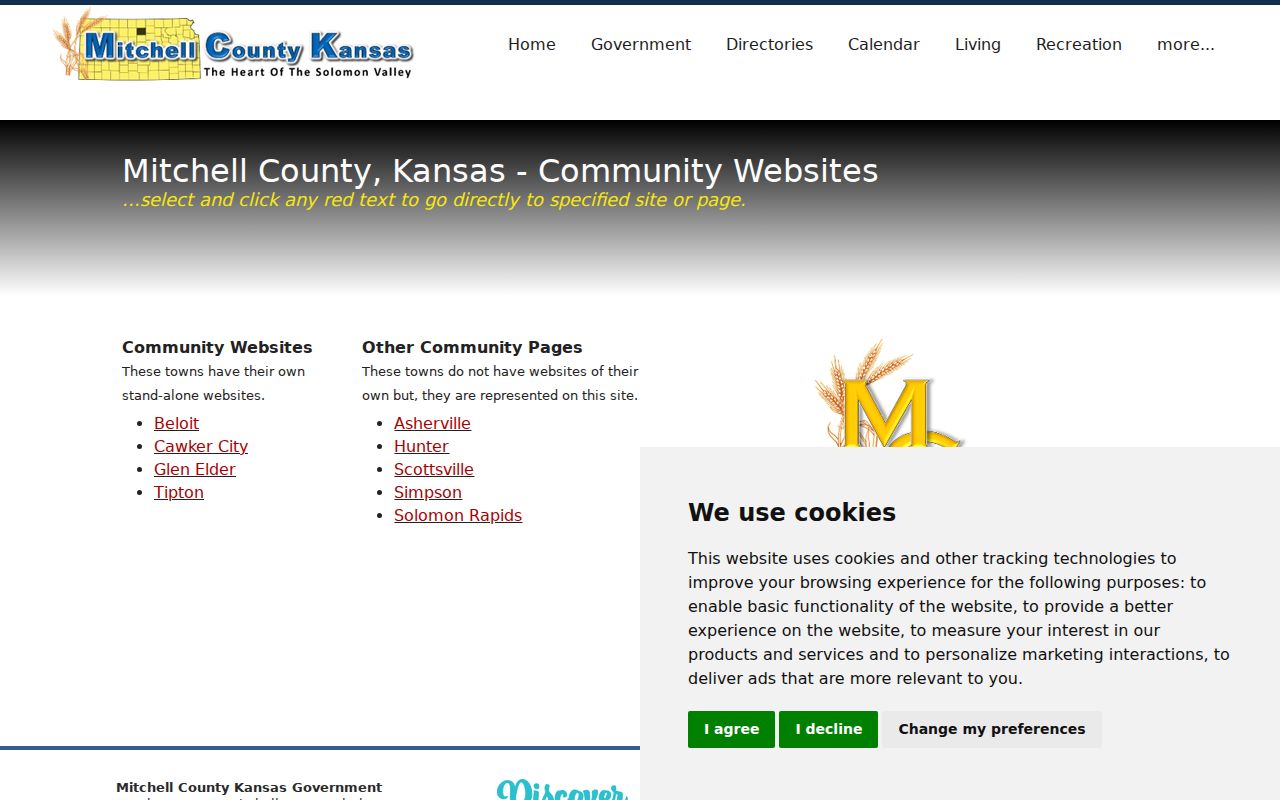
The directory routes a city matter, but it is not a court database. For a municipal case or city ticket, contact the municipal court or city clerk for the issuing city.
Case Search Results Explained
A search result identifies the case and its public status. Open the details for parties and roles, attorneys, the judicial officer, events, hearings, dispositions, judgments, and any documents that remote-access rules allow.
| Case number | Court-assigned identifier. |
|---|---|
| Type and status | Category plus open, closed, disposed, or another label. |
| Parties | Names and formal roles, where public. |
| File date | Date the case began. |
| Events index | Dated, brief register entries and hearings. |
| Documents | Only filings permitted and available for remote access. |
A scheduled event does not prove it was held, and a dismissal does not explain its terms. Read the order when available, and request an official copy whenever accuracy matters.
Mitchell County Search Context
For local government context, the official county budget page covers Mitchell County finances.
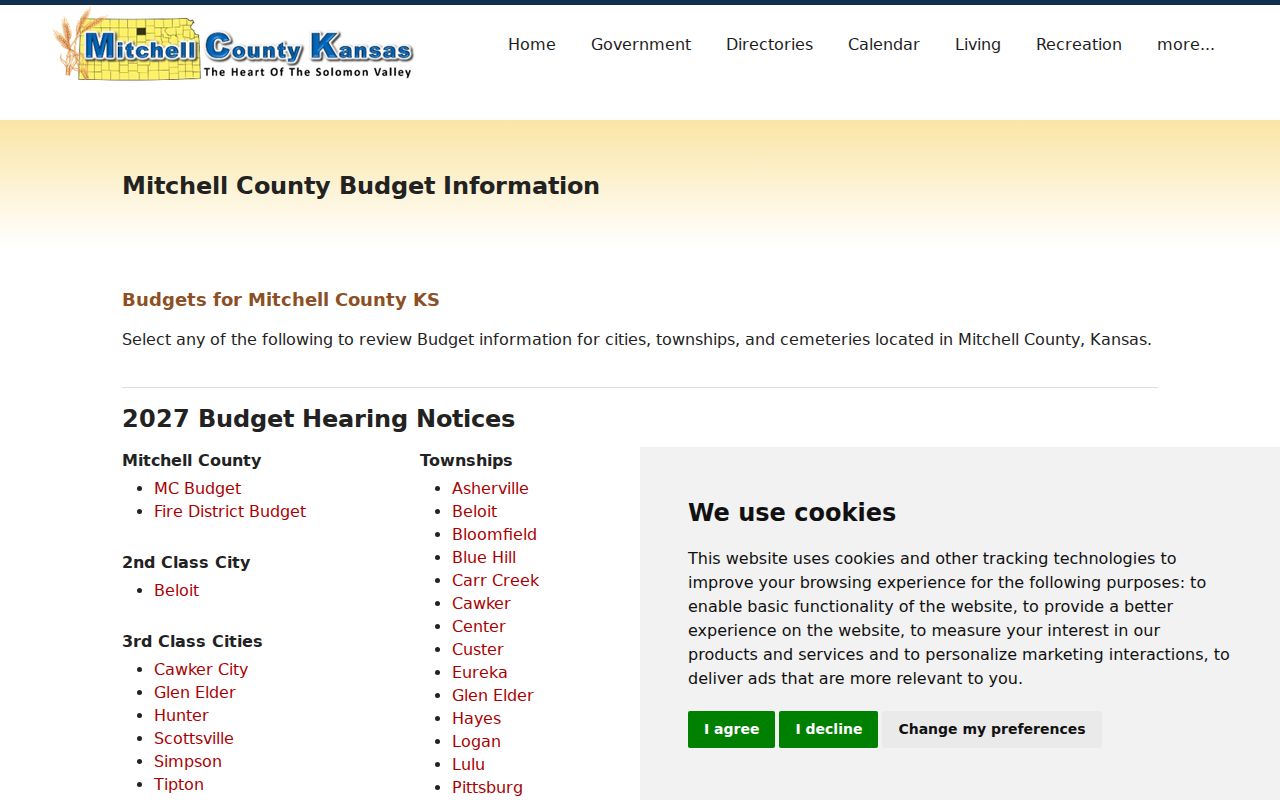
It does not search cases. It does clarify a key custody point. County administration and the District Court clerk are separate offices, and Pam Thiessen, Clerk of the District Court, keeps the district register rather than the general county clerk.
Two Ways to Search: County and State
Mitchell County has no separate local database competing with the statewide portal. The county court page supplies contact and jurisdiction facts, while Kansas Case Search provides the remote district index. Locally, the clerk and the county terminal form the access layer.
| Kansas Case Search | Mitchell County clerk and terminal |
|---|---|
| Remote statewide case-information search | Local public records and direct confirmation |
| Best for a known number or name | Best for absent documents and current availability |
| General reference, with remote limits | Written requests and certified-copy questions |
Call 785-738-3753 or visit 115 South Hersey in Beloit. Mail and fax may support a specific request, but confirm acceptance first. The full file request process is covered under Mitchell County court case records.
Mitchell County Technology Changes
Kansas picked Odyssey Case Manager in 2017. It started statewide rollout in 2019. The final district transition finished in November 2024. The statewide portal and centralized payments run on that modern system. Recovery from the October 2023 ransomware attack also shaped the recent technology history. Modern search still does not put every historical document online. Case type, filing date, conversion history, and access rules control what appears. Kansas eFlex serves authorized filers and is not a public case lookup.
Which Cases Stay Restricted
Adoption, protection, juvenile, grand-jury, inquest, search-warrant, mental-health, and other protected categories can be missing or limited under current rules. A public register may exist while individual documents stay withheld. Using the courthouse terminal does not unseal sealed or expunged records.
Access rule: Kansas Supreme Court Rule 22 distinguishes remote portal access, courthouse-terminal access, and records that remain nonpublic.
For an availability question, call the clerk, or send a narrow written request for a particular nonrestricted document. No lawful web workaround exists.
Mitchell County Search Cross-Checks
Never settle for the first matching name in a Mitchell County docket search. Compare county, case type, file date, role, and status before drawing a conclusion. For a business, use Business Name. For a citation, use Citation Number. For a common name, narrow with lawful filters. On the federal side, the Tenth Circuit PACER page handles its own court dockets.
That federal page marks the boundary between systems: Tenth Circuit dockets sit in PACER, while Mitchell County district cases sit in Kansas Case Search. The official Census incorporated-places table lists Kansas places for local routing.
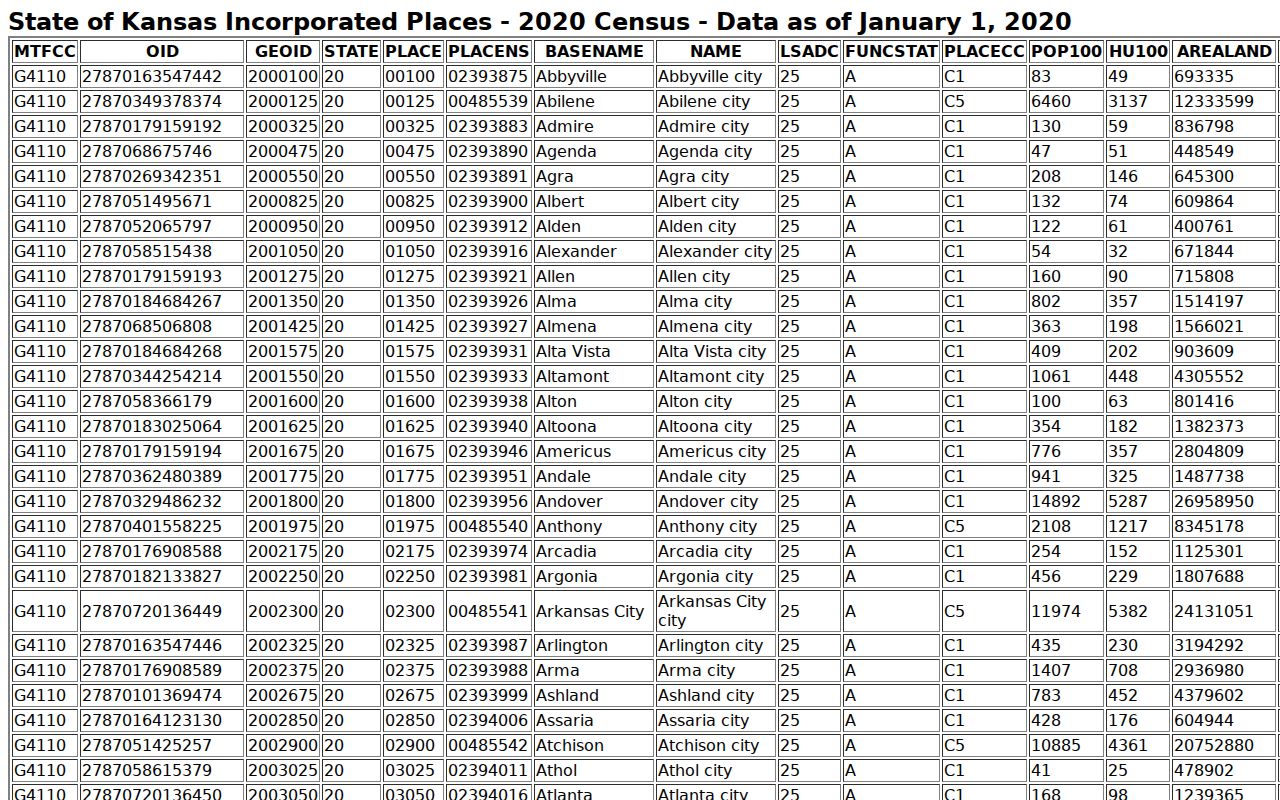
Population data names towns, not court custody; the issuing court controls the docket.
Mitchell County Search Failure Steps
A search result is only a lead. It is not a conclusion. Statuses change, names get shared, and labels may be amended. Check the case number and county. Then inspect the controlling public document, or ask the clerk for a copy.
When the remote search fails, confirm your spelling and the search type first. Widen any filter that seems too narrow, but keep Mitchell County selected. The case might be municipal, appellate, federal, or restricted. It might simply be older than the documents posted online. The district clerk can then help with the terminal or a written request. Kansas eFlex covers filing and Central Payment covers payment. Neither replaces a docket search, and the county posts no public bulk export.
Mitchell County Docket Search Notes
A careful Mitchell County search deserves notes. Write down the court, the search type, the exact term, the county filter, and the date. Those details show the clerk why the remote result was unclear. The clerk works faster with specifics. If the clerk helps, ask for a particular case or filing, not every record tied to an open-ended name. When a case is public but a document is absent, ask whether the problem is the conversion date, a remote-access policy, or a written request the office requires. A public terminal can widen access to eligible records. It does nothing to the legal status of sealed material. Sealed stays sealed. Before acting on anything important, confirm the fact against the originating court record rather than a name match or a brief status label.